|


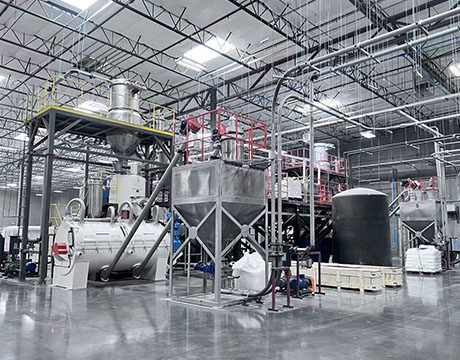
The application of automation technologies in the field of bulk solids transport - comprising both mechanical systems (screw conveyors, bucket elevators, chain conveyors...) and also pneumatic systems (conveying under overpressure and by vacuum, fluidized bed chutes...) - has a very strong impact on production and productivity. It allows to transport even very large bulk quantities in a reliable and safe manner over great distances without human intervention.
| Quantity: | |
|---|---|
For large-scale PVC pipe, SPC floor, and PVC wall panel production facilities, implementing an advanced automatic weighing compounding conveying system is an operational necessity. Historically, the traditional mixing method required operators to manually weigh, batch, and physically move mixed materials to the extruder. While this outdated approach might suffice for smaller setups, it introduces critical bottlenecks for modern extrusion lines.
The traditional manual method has many defects:
1. Artificial mixing systems rely on repetitive human labor, which naturally leads to fatigue and inevitable measuring mistakes, meaning the weighing precision is not assured.
2. Labour intensity is exceptionally large, driving human costs unustainably high from a long-term operational view.
3. Constant exposure to airborne chemical raw materials severely harms the worker's health.
In order to permanently solve these production hurdles, our engineered PVC automatic mixing weighing conveying system allows a central computer to automatically control the entire weighing and batching process, directly feeding the compound to the extruder. This fully enclosed, dust-free operation features a highly efficient air filtration system, comprehensively eliminating airborne particles from unpacking to feeding, thereby drastically improving the workshop environment. Designed with exceptional system flexibility, it supports a "one-machine-to-multiple-lines" feeding architecture. A single high-speed mixer can distribute customized recipes to multiple silos, easily handling concurrent production of different profiles. The complete PVC mixing system consists of the following precisely engineered stages:
1. Loading station (accommodating PVC loader, Caco3 loader, and Recycled material).
2. Pneumatic vacuum conveying system for enclosed transport.
3. Dedicated PVC resin, Caco3, and Recycled material storage silo.
4. Automatic raw material and additives dosing system for the mixer.
5. High-intensity PVC mixing unit.
6. Compound storage silo for the finalized blend.
7. Automatic feeding system for the PVC extruder.
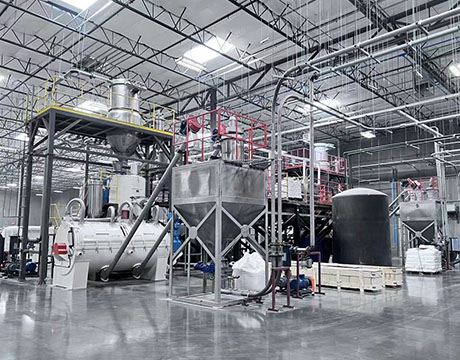
The foundational step of continuous production relies on intelligent automation storage and discharge. The storage of massive bulk solids quantities is realized through heavy-duty silos, specialized big-bags, and secure containers. Because raw materials like PVC powder, titanium dioxide, and calcium carbonate possess different flow characteristics, these storage units are equipped with advanced automatic discharge aids. These mechanisms prevent internal material bridging and blockages, ensuring a safe, consistent extraction of the exact required product amount from the container.
In scenarios demanding larger capacities, the big-bags emptying process is executed entirely automatically, maintaining a sealed environment that prevents powder leakage. Conversely, at smaller discharge capacities, the manual discharge process is systematically supported by mechanical devices (like specialized hoists and lifting frames). This comprehensive compatibility with diverse bulk solids—including carbon black, PE wax, and micro-additives—guarantees that every raw ingredient is properly staged and ready for the compounding phase without physical strain on your workforce.
Following extraction, the application of automation technologies in the field of bulk solids transport completely transforms plant efficiency. Our conveying architecture comprises both rugged mechanical systems (such as high-torque screw conveyors, vertical bucket elevators, and heavy-duty chain conveyors) and advanced pneumatic systems. Depending on your specific material characteristics and factory spatial layout, we provide flexible adaptations, utilizing conveying under overpressure, precise vacuum transport, or fluidized bed chutes.
This tailored approach has a profoundly positive impact on overall production and productivity. It allows your facility to transport even very large bulk quantities in a reliable, continuous, and safe manner over great distances without any human intervention. By utilizing pneumatic vacuum conveying, the entire transit route remains completely sealed, preventing cross-contamination and preserving the ambient air quality of the factory floor. Whether navigating tight overhead spaces or feeding multiple extrusion lines simultaneously, the transport mechanism is configured to integrate perfectly with your existing downstream equipment.
The final and most critical phase before extrusion is automation metering and weighing. In the demanding field of compounding, automated precision eliminates the costly variables of human error. By combining a large-capacity main material scale with a high-precision auxiliary additive scale, the automation allows significantly higher metering accuracies. This exactness has—besides an obvious productivity increase—a direct, measurable impact on the final product quality.
You can expect absolute batch-to-batch consistency, whether you are manufacturing rigid PVC pipes, specialized cables, or flexible SPC flooring. Of great importance to modern quality control are the comprehensive production records and batch protocols continuously recorded and filed by the intelligent recipe management system. Every gram of resin, filler, and micro-additive is tracked, creating an auditable trail for every production run. This rigorous digital oversight ensures that your extrusion lines are consistently fed with the perfect compound blend, maximizing yield and minimizing material waste.